San Remo Estates Buyers Guide To Mainland Waterfront Living
July 16, 2026
July 16, 2026
Looking for Sarasota waterfront living without committing to full barrier-island life? San Remo Estates gives you a different path. If you want boating access, a mainland address, and quick access toward Siesta Key, this small neighborhood deserves a closer look. In this guide, you’ll get a practical overview of what makes San Remo distinct, what to watch for as a buyer, and which details matter most before you make an offer. Let’s dive in.
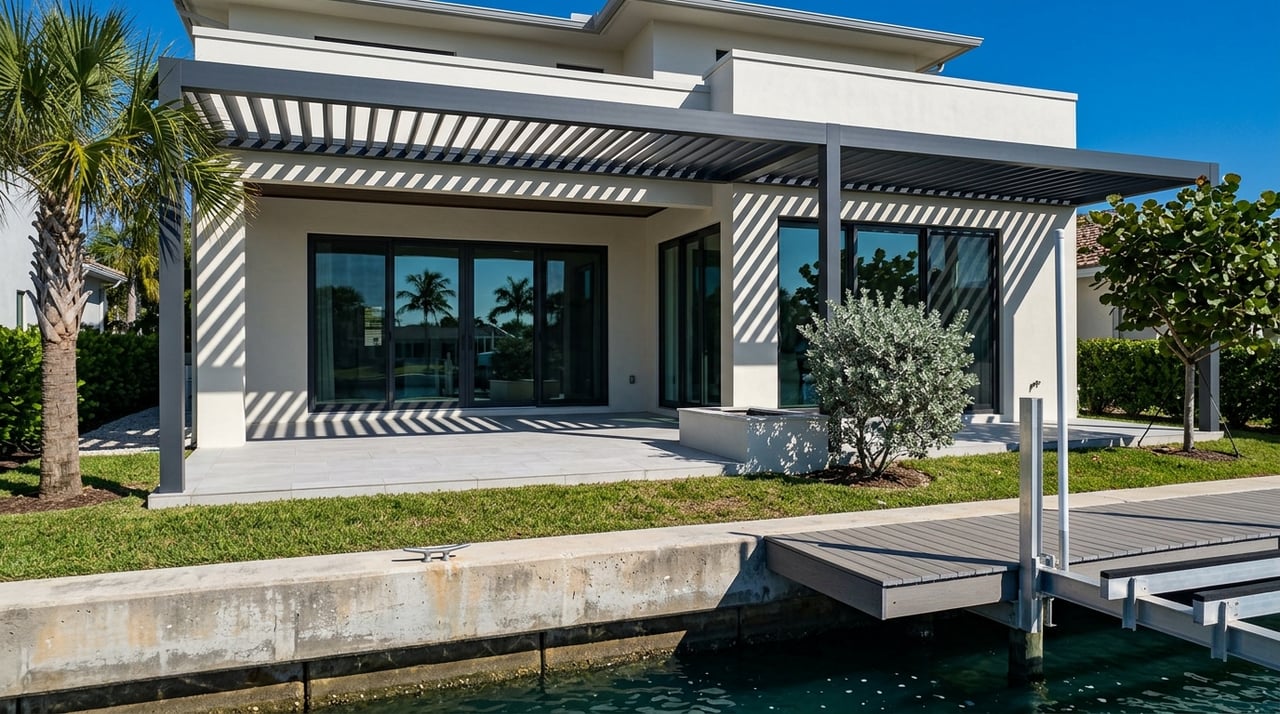
San Remo Estates is a small waterfront enclave on the mainland side of the Siesta Key bridge approach. It sits west of the Trail, with Sarasota Bay to the west and Siesta Drive to the north. The City of Sarasota identifies San Remo as neighborhood 46, and the area also includes San Remo Park.
For many buyers, the appeal is simple. You get a mainland setting with bayfront proximity and an easy route toward Siesta Key. That combination gives San Remo a very different feel from neighborhoods that are either fully inland or fully on the barrier island.
Location is a major part of San Remo’s value. The neighborhood spans the gap between mainland Sarasota and north Siesta Key, which makes it especially appealing if you want convenient access to both daily Sarasota destinations and coastal recreation.
Recent listing descriptions place San Remo just before the North Siesta Key Bridge, with a quick drive to downtown Sarasota, Southside Village, Sarasota Memorial Hospital, and Siesta Key Beach. For buyers who want to move between home, boating, and nearby waterfront destinations with less friction, that positioning is hard to ignore.
San Remo began as a planned waterfront subdivision in the 1950s. Historical records note that the final buildout included three plats, 67 residential lots, and a small non-residential lot used for water access.
That history still shows up in the neighborhood today. Instead of feeling like a uniform subdivision, San Remo reads more like a collection of individual properties shaped by original planning, later updates, and waterfront access patterns.
One of the biggest things to understand before buying in San Remo is that the lots are not all the same. Some lots were rezoned with minimums of 10,000 or 15,000 square feet, which helps explain the spacious feel many buyers notice.
Recent listing examples show a wide range of parcel sizes and frontage. Some properties have been marketed around 0.28 acres, others around 0.39 acres with 99 feet of frontage, and some as nearly 1-acre double-lot waterfront estates with 200 feet of deep-water frontage.
That means you should avoid broad assumptions. In San Remo, lot shape, width, water frontage, and future rebuild potential can vary significantly from one address to the next.
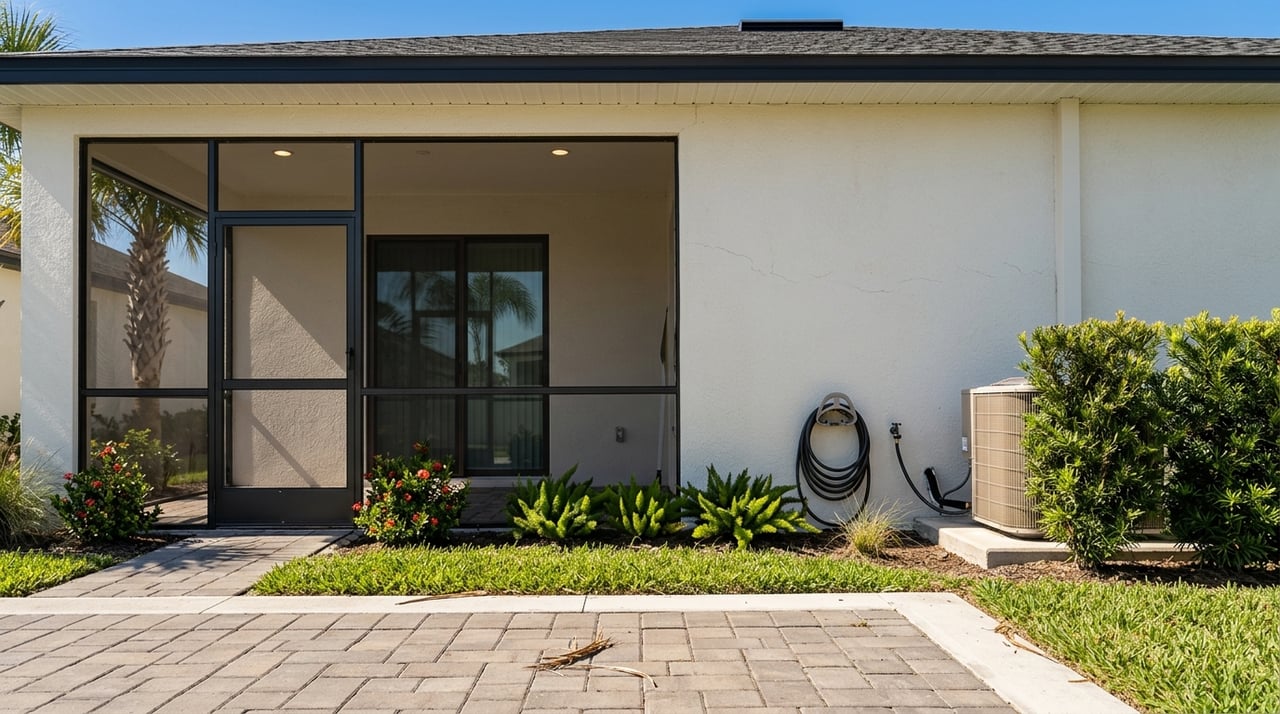
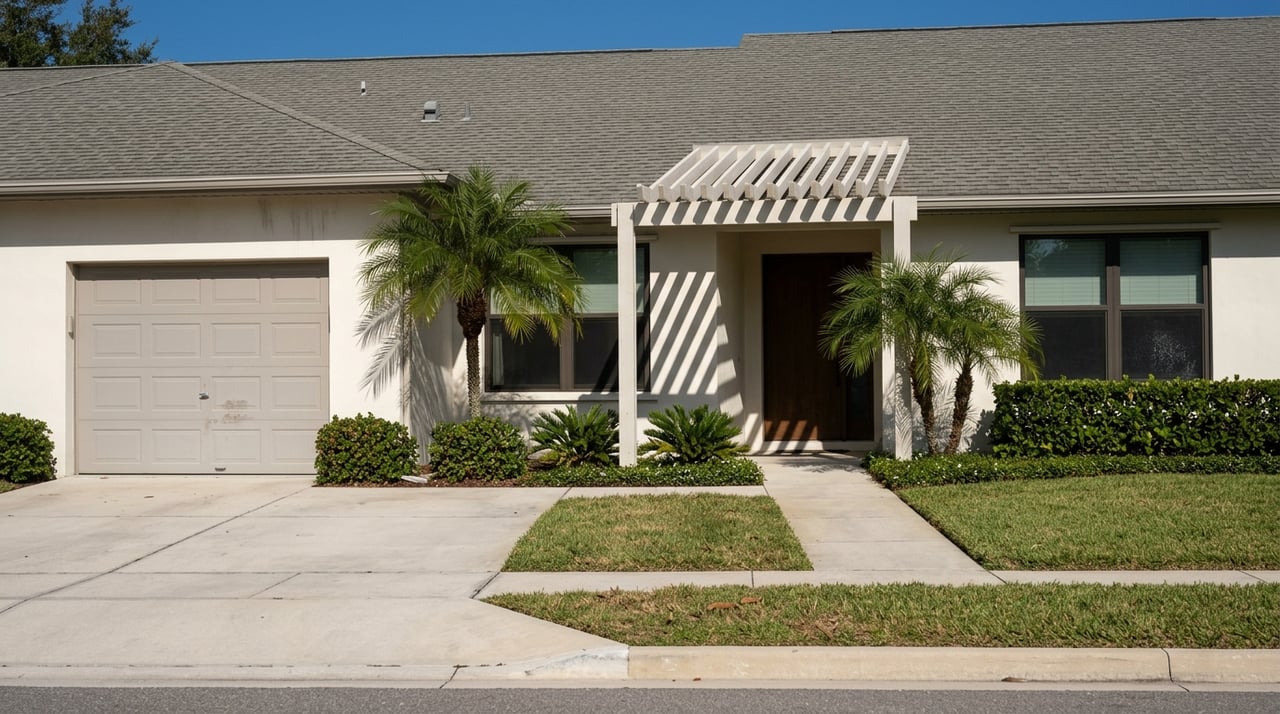
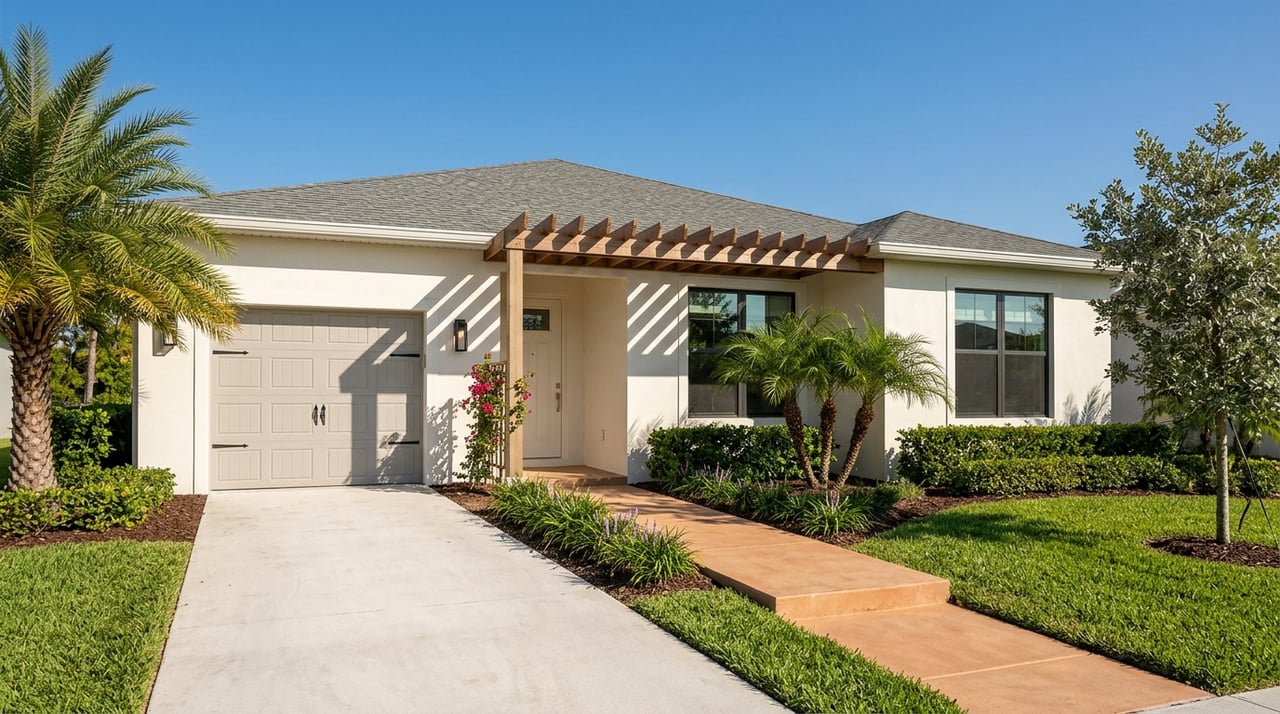
San Remo’s housing stock started with modern ranch-style concrete-block homes with garages. Over time, renovations, additions, and teardown-rebuild activity created a more diverse architectural mix.
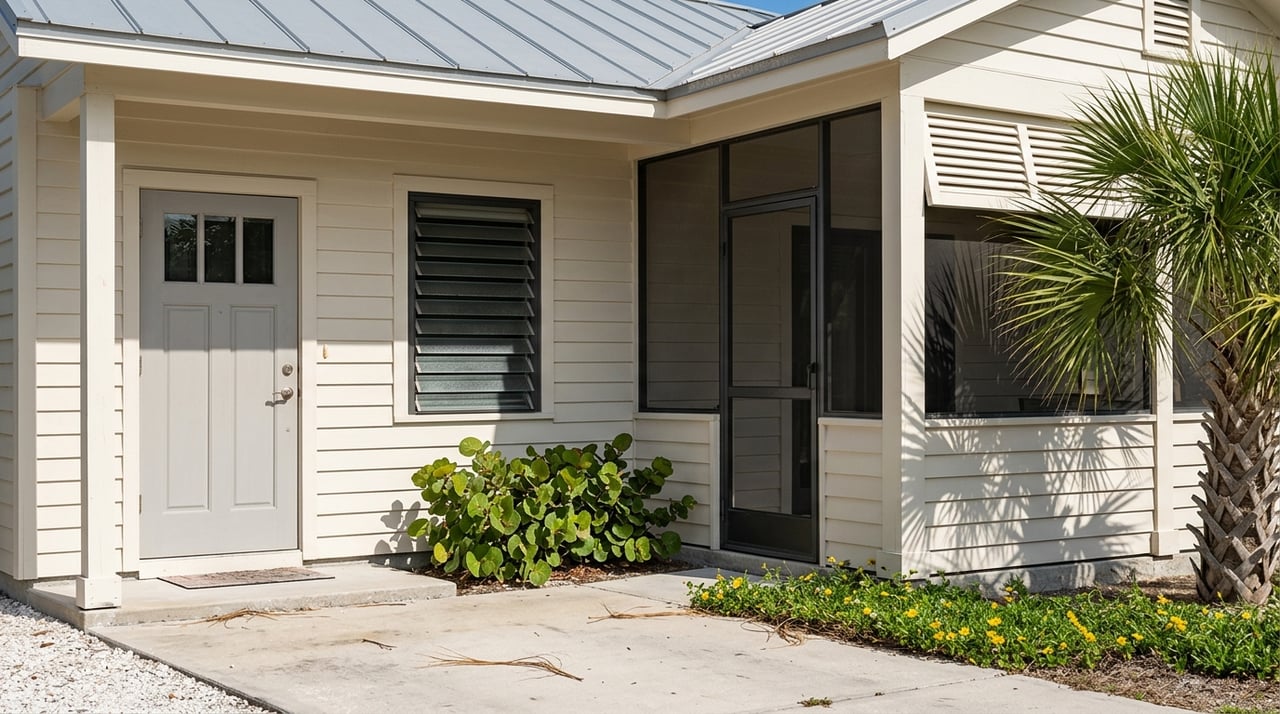
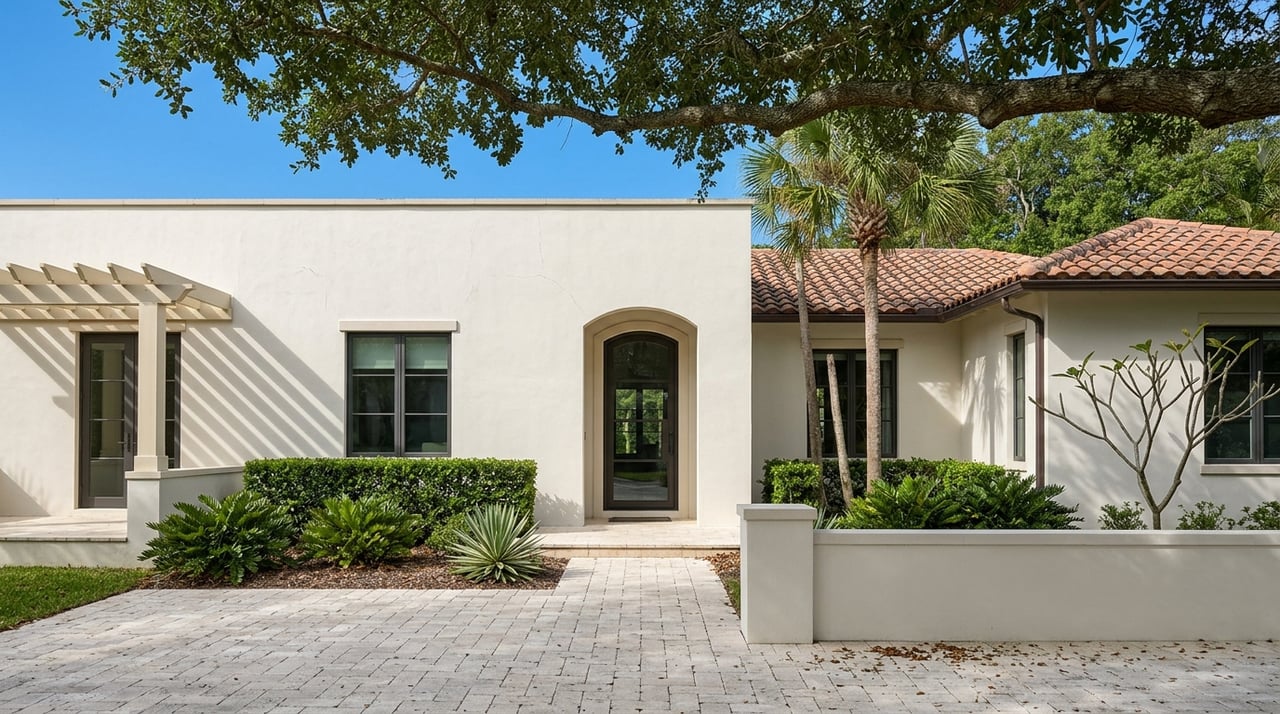
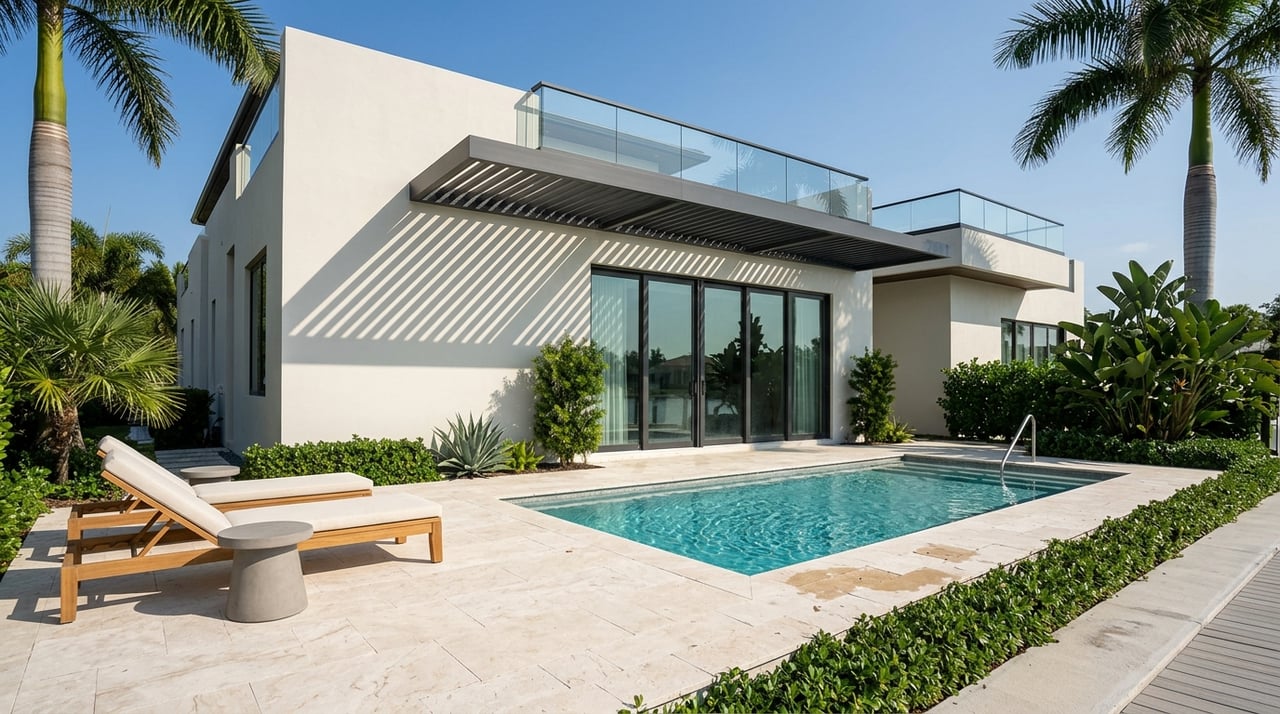
Today, buyers may find updated mid-century homes alongside newer custom waterfront residences. Current listing examples show ranch, old Florida, Key West-style, and coastal contemporary architecture, so the neighborhood offers more variety than many buyers expect from a small enclave.
If you are considering San Remo, boating access should be one of your first questions. Historically, the subdivision was designed around a sheltered yacht basin, and that original concept still defines the neighborhood today.
Current listings describe features such as sailboat water, no fixed bridges, protected deep-water basins, deeded docks or slips, and access to Sarasota Bay, the Intracoastal Waterway, Big Pass, and the Gulf. For buyers who want to keep a boat at or near home and reach open water efficiently, San Remo offers a compelling setup.
This is one of the most important buyer details in San Remo. City records from a 2016 planning-board discussion state that 14 landlocked parcels in the neighborhood relied on shared access through the East Tangier Yacht Basin Association, while the remaining lots had waterfront property and private docks.
That distinction matters in a big way. A waterfront lot with a private dock, lift, or basin access may offer a very different ownership experience than a non-riparian lot with shared access arrangements.
Before you buy, confirm whether the property is directly waterfront, what access rights are included, and whether any dock, slip, or basin use is deeded or shared. In a neighborhood this small, those details can shape both daily use and long-term value.
Some recent listings describe deeded bay access with a boat ramp and two docks. Others reference protected boat basins and a short, unobstructed ride to the Gulf. These examples reinforce the idea that boating features in San Remo are highly property-specific.
That is why a buyer’s guide for San Remo cannot rely on a simple checklist. You need to verify what comes with the home, how the water access works, and whether the rights attached to the property match the way you plan to use your boat.
San Remo’s deed restrictions are an important part of the neighborhood story. Historical records show that the original restrictions varied by unit and expired by 1986. In 1991, owners incorporated and adopted restated and conforming deed restrictions for the entire subdivision.
For you as a buyer, the practical takeaway is clear. Do not assume the rules are casual, outdated, or the same as nearby neighborhoods. The official HOA website directs buyers to request governing documents, which makes document review a key step in your due diligence.
In neighborhoods like San Remo, governing documents can affect how you use and improve a property. Depending on the parcel, buyers may need to understand how restrictions relate to improvements, water access, and neighborhood standards.
These rules also appear to support the area’s established residential character. Historical records note long-term ownership patterns and neighborhood volunteer efforts tied to park and entrance landscaping.
Because San Remo is not a one-size-fits-all neighborhood, your early questions matter. The right home for you depends on whether you value direct waterfront ownership, shared boating access, renovation potential, or a larger lot for a future custom build.
Here are a few practical questions to ask at the start:
San Remo tends to fit buyers who want serious boating access with mainland convenience. It can be especially attractive if you want privacy, an established residential setting, and easier access to Sarasota destinations while still staying close to Siesta Key.
It may be a strong match if your priorities include dockable water, a sheltered basin environment, or a property with distinct lot and rebuild potential. If your top goal is a barrier-island, beach-walk lifestyle, San Remo offers a different kind of coastal experience.
In some neighborhoods, you can understand almost every home by learning one standard lot pattern. San Remo is not like that. Its mix of waterfront parcels, landlocked lots with shared access, renovated originals, and newer custom homes means each property deserves close review.
That is where local waterfront experience becomes valuable. When you are comparing dock rights, frontage, basin protection, lot size, and deed restrictions, the details are not minor. They are often the deciding factors.
If you are considering San Remo Estates, a focused review of the specific address can help you move with more confidence. The right guidance can make it easier to sort through boating access, property differences, and neighborhood documents before you commit. When you’re ready to talk through your goals, schedule a private consultation with Michelle Shiver.
Stay up to date on the latest real estate trends.
We’d love to hear from you! Whether you’re buying, selling, or just exploring your options, we're here to provide answers, insights, and the support you need. Contact us and start planning your next move.

1549 Ringling Blvd Ste 600 Sarasota, FL 34236