Cherokee Park Architecture And Lifestyle On Sarasota’s West Side
July 9, 2026
July 9, 2026
Looking for a Sarasota neighborhood that feels established, architectural, and close to the places you actually use? Cherokee Park stands out for exactly that reason. If you want a west-side setting with mature trees, quiet streets, and homes that range from historic to thoughtfully updated, this guide will help you understand what makes the neighborhood special. Let’s dive in.
Cherokee Park is a City of Sarasota neighborhood, identified on the city’s 2025 neighborhood map as Neighborhood 16. It sits within Sarasota’s west-side residential core and is commonly understood as part of the historic West of Trail area.
That setting shapes how the neighborhood feels. Instead of reading like a newer subdivision, Cherokee Park fits into an older Sarasota pattern where established residential streets connect you to downtown, nearby services, and familiar neighborhood districts.
One of the closest lifestyle anchors is Southside Village, a nearby business district behind Sarasota Memorial Hospital along Osprey Avenue and Hillview Street. Southside Village is described as Sarasota’s oldest shopping district and is built around a park-and-stroll experience, with a mix of gourmet market options, coffee spots, restaurants, bars, boutiques, jewelry, and service businesses.
Cherokee Park’s architectural story is really about continuity. The neighborhood was platted in 1926, and its homeowners association describes it as historic, with most homes renovated or rebuilt over time.
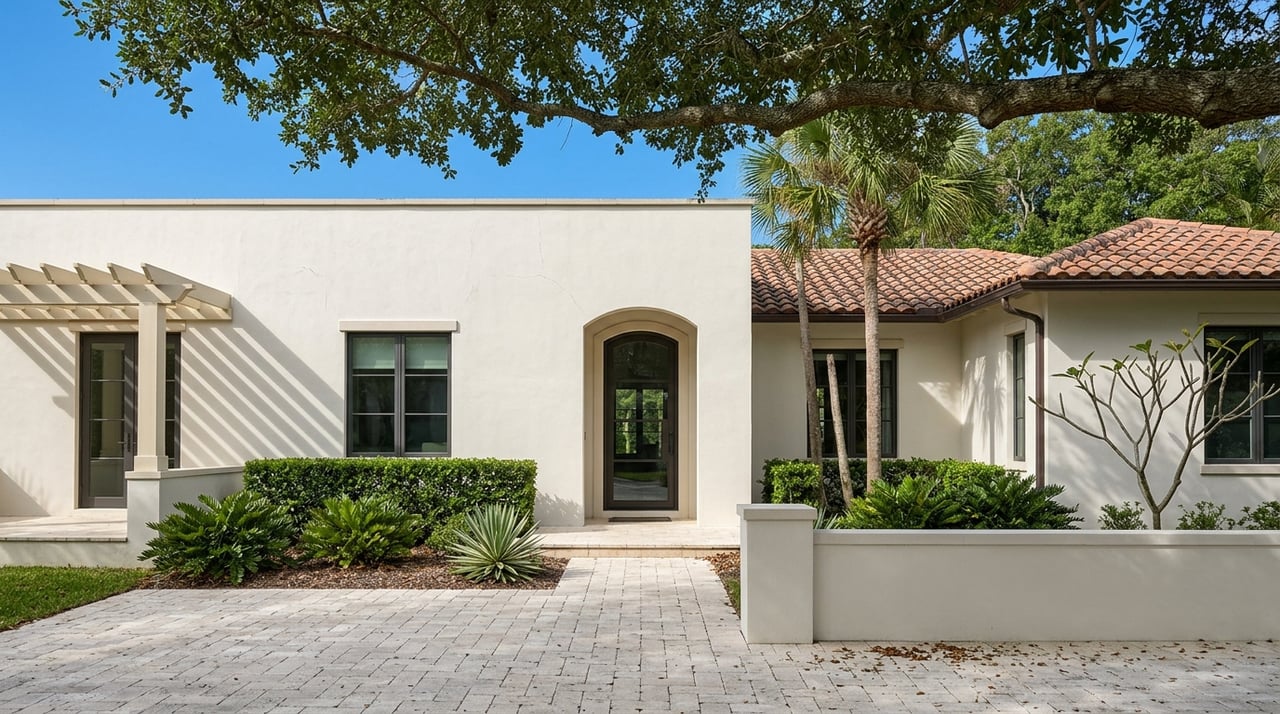
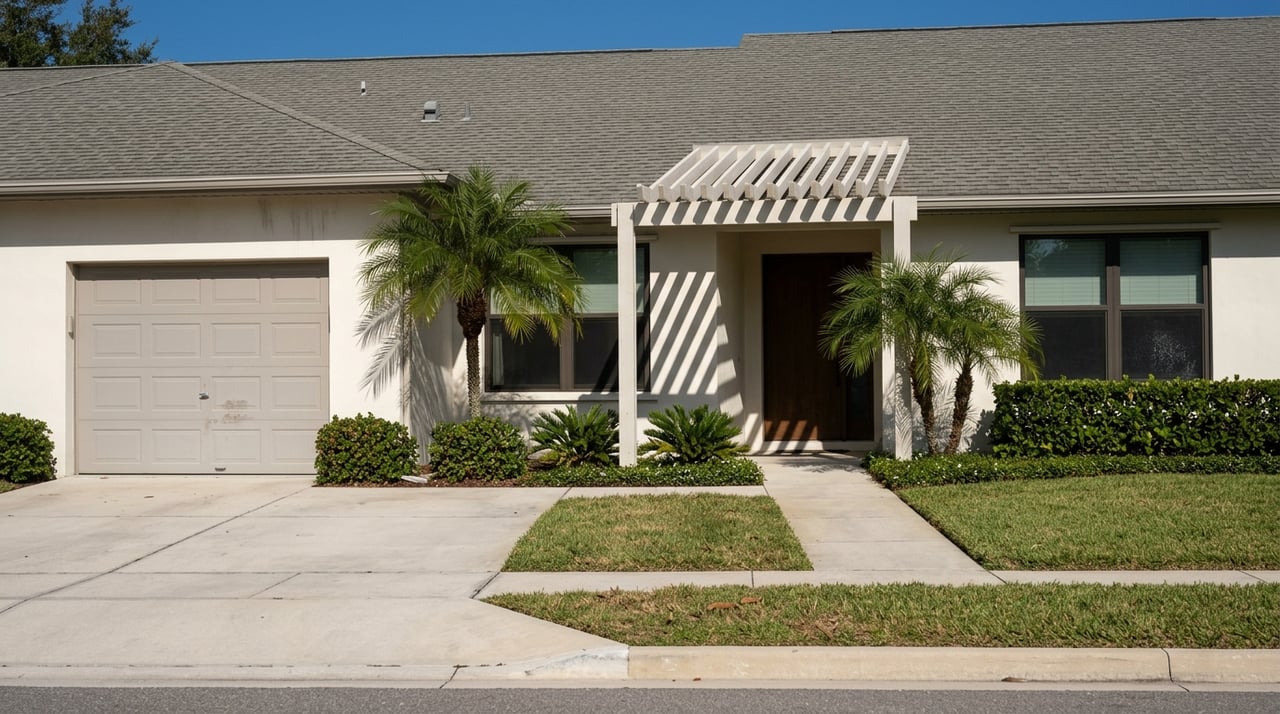
That means you are not looking at a neighborhood frozen in one era. Instead, you see an evolving collection of homes set within an older street layout, with wide and quiet streets, sidewalks, mature oak trees, and tropical vegetation tying it all together.
Much of Cherokee Park’s appeal comes from this historic framework. The street pattern, lot arrangement, and tree canopy give the neighborhood a sense of permanence that can be hard to recreate.
That backdrop supports a range of home styles. In local coverage, a 1936 Cherokee Park residence was highlighted as an Art Moderne home with corner windows, strong horizontal lines, original wood floors, terrazzo floors, and a large lot on a wide street.
Details like that help explain why architecture-minded buyers notice Cherokee Park. It is a place where the homes themselves can be memorable, but the neighborhood setting does just as much work in creating the experience.
A key part of Cherokee Park’s identity is that many homes have changed while the neighborhood still feels cohesive. Renovations and rebuilds are common, but the mature landscape and original layout help preserve a historic feel.
For buyers, that often means you may find a mix of older homes, updated residences, and newer properties that still feel rooted in Sarasota. For sellers, it reinforces why presentation and neighborhood context matter so much here.
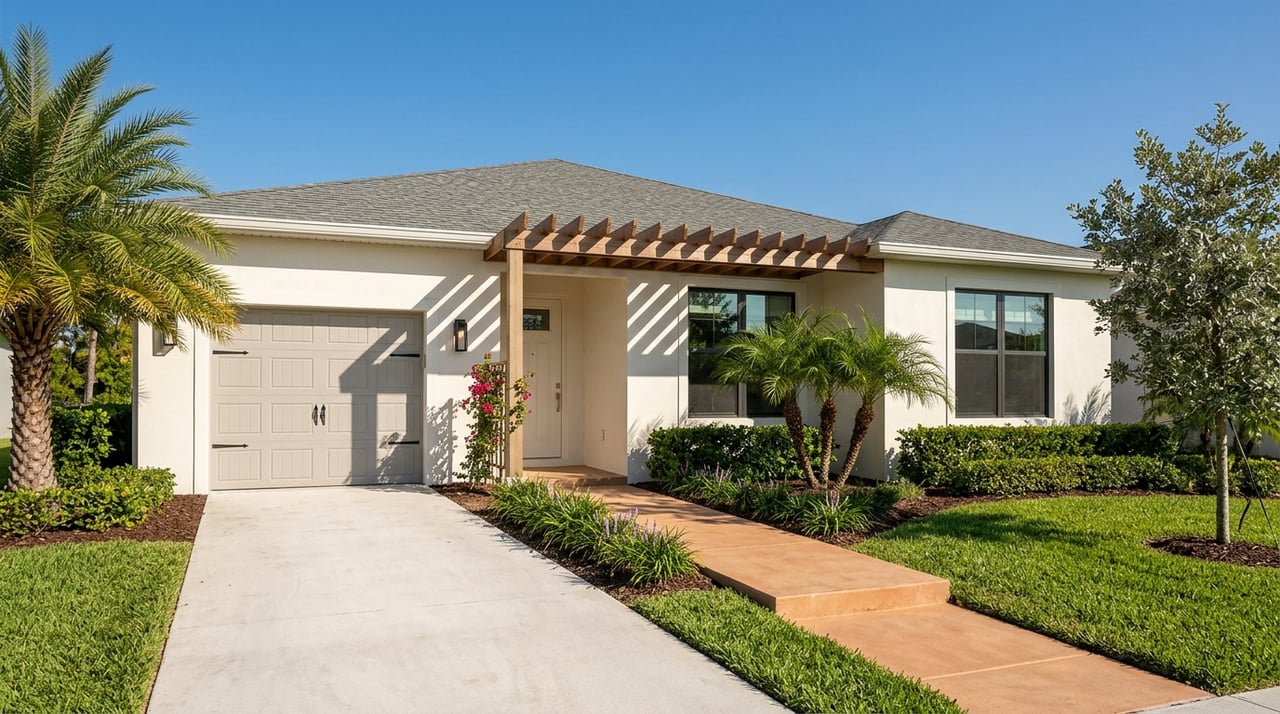
Cherokee Park is not only about preserving older homes. It also includes newer construction that aims to belong to the neighborhood rather than stand apart from it.
A Sarasota Magazine profile of a newer home on South Drive described a design that looked as though it had always been there. Features like a porch, metal roof, slender tower, plaster walls, oak floors, built-ins, and ceiling beams gave it a Gulf Coast Craftsman feel under the oak canopy.
That design approach fits Sarasota’s larger architectural culture. Architecture Sarasota describes the Sarasota School of Architecture as modernism shaped by climate, geography, and Gulf Coast context, which helps explain why strong newer homes in areas like Cherokee Park often feel climate-aware, locally grounded, and lasting instead of trendy.
Cherokee Park’s lifestyle is less about a long list of neighborhood amenities and more about how easy daily life can feel. The neighborhood association describes it as just south of downtown and close to the hospital, which supports a convenient, central rhythm.
In practical terms, that can mean shorter drives for errands, dining, and appointments. It can also mean choosing to walk or stroll for part of your routine, especially with nearby Southside Village offering an established shopping and dining district.
The homeowners association points to wide, quiet streets and sidewalks lined with mature oak trees and tropical vegetation. Those details shape the neighborhood’s day-to-day experience as much as any home feature.
For many buyers, that kind of environment feels calm without feeling isolated. You get an established residential setting while still staying closely connected to the city.
Southside Village adds a useful layer to Cherokee Park living. Because it is designed around strolling and includes dining, coffee, shopping, and services, it supports a lifestyle where useful destinations are close at hand.
The broader West of Trail area is also known for its proximity to downtown Sarasota, cultural amenities, shops, restaurants, and Sarasota Memorial Hospital. In Cherokee Park, the appeal is often the combination of a beautiful residential setting and easy access to everyday needs.
Cherokee Park is not defined as a waterfront neighborhood in the research, but it is often understood as part of Sarasota’s broader west-side and bay-oriented lifestyle corridor. That regional context matters because it connects the neighborhood to some of the city’s most established and well-known residential areas.
For you as a buyer, that can translate into strong lifestyle appeal. For you as a homeowner considering a sale, it helps explain why neighborhood identity carries weight here.
Cherokee Park tends to attract buyers who want more than just square footage. The neighborhood offers an established setting, architectural variety, and close-in convenience that can be hard to duplicate in newer areas.
Several qualities stand out:
If you value homes with personality and a location that supports your routine, Cherokee Park checks a lot of boxes. It offers privacy and an established feel without pushing you far from the places you use most.
If you own a home in Cherokee Park, your property is part of a neighborhood where context matters. Buyers are not only evaluating the house itself. They are also paying attention to streetscape, canopy, architectural fit, and the neighborhood’s place within Sarasota’s west-side story.
That is one reason marketing in a neighborhood like this should be specific and thoughtful. A home’s design details, renovation quality, setting on the lot, and relationship to the surrounding streets all help shape how buyers perceive value.
Newer homes may also appeal for practical reasons beyond style. Local coverage of a newer Cherokee Park home noted storm-conscious features such as a raised lot, a build height above code requirements, and a whole-house generator, showing how contemporary construction can blend traditional character with present-day planning.
What makes Cherokee Park memorable is not uniformity. It is the way older homes, renovated residences, and newer construction work within a shared neighborhood framework.
The mature oaks, sidewalks, wide streets, and tropical planting give the area visual continuity. The close-in location adds everyday convenience. Together, those qualities create a west-side Sarasota neighborhood that feels both rooted and livable.
If you are exploring Cherokee Park as a buyer or thinking about how to position a home there for sale, local neighborhood knowledge makes a real difference. For personalized guidance, staging insight, or a private consultation, connect with Michelle Shiver.
Stay up to date on the latest real estate trends.
We’d love to hear from you! Whether you’re buying, selling, or just exploring your options, we're here to provide answers, insights, and the support you need. Contact us and start planning your next move.
1549 Ringling Blvd Ste 600 Sarasota, FL 34236