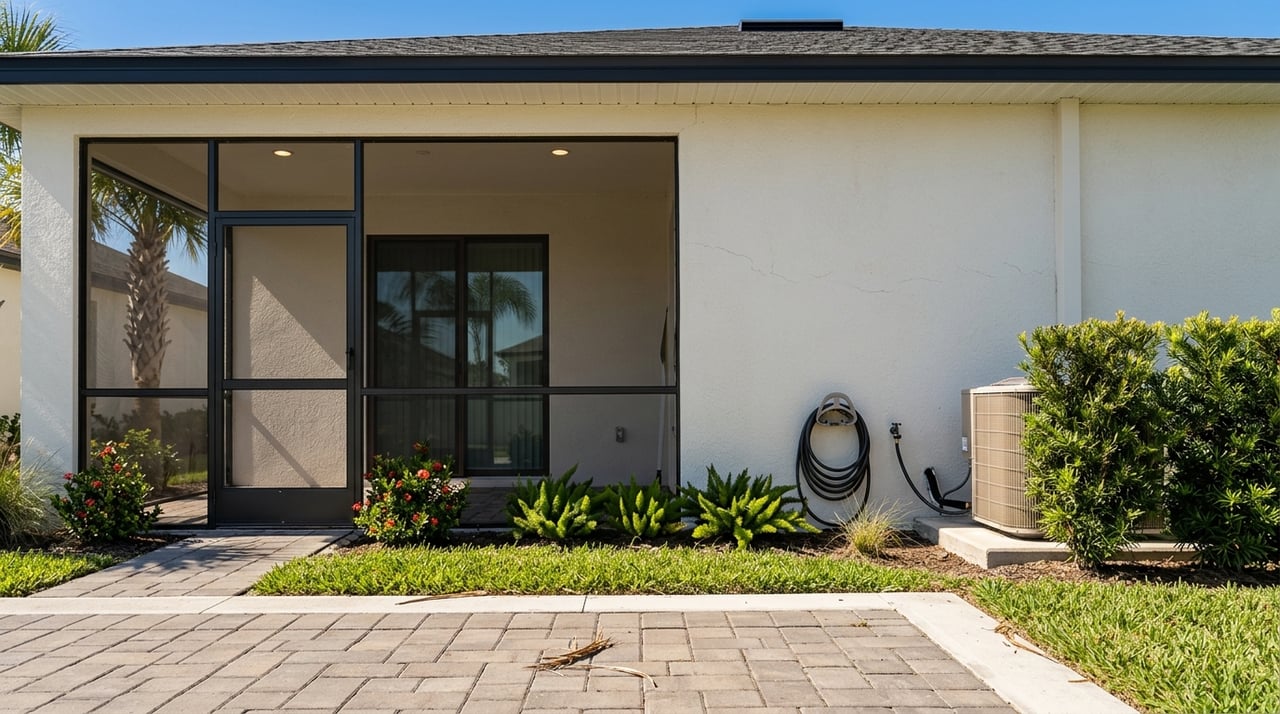
Owning Rental Property In Gulf Gate Estates
July 2, 2026
July 2, 2026
If you are thinking about owning rental property in Gulf Gate Estates, you are probably asking a practical question: will this be a smart, manageable long-term investment? That is the right place to start. In a neighborhood with established housing, shifting rental price snapshots, and real Florida maintenance and storm considerations, success usually comes from careful planning rather than guesswork. This guide will help you understand what matters most before you buy, lease, or improve a rental home in Gulf Gate Estates. Let’s dive in.
Gulf Gate Estates is a census-designated place in Sarasota County with 7,340 residents, according to Census QuickFacts. The same source reports an owner-occupied housing rate of 54.6% and a median gross rent of $1,768 for 2020 through 2024.
Current rental-market snapshots vary depending on the source and method used. Realtor.com listing-based pages place median rent closer to $2,700 to $2,850 per month, while NeighborhoodScout estimates an average rental price of $2,346. These numbers are best treated as directional, not interchangeable, because the underlying methodologies and geographies differ.
For you as an owner, the main takeaway is simple: Gulf Gate Estates shows real rental demand, but pricing should be based on the specific home, condition, features, and current competing inventory. A clean, well-positioned house may perform very differently from an outdated one, even on the same side of the neighborhood.
The local housing stock points toward a practical long-term rental strategy. NeighborhoodScout describes Gulf Gate Estates as an established suburban area with many homes built between 1970 and 1999, plus some from 1940 to 1969.
That matters because renters in this type of neighborhood often respond more to condition, function, and reliability than to luxury extras alone. If you own here, your rental is likely to compete best when it feels well-kept, comfortable, and easy to live in.
Recent rental listings in Gulf Gate Estates also support that pattern. Zillow and Redfin examples are mostly single-family homes in the 2 to 4 bedroom range, with sizes around 900 to 2,176 square feet and features like air conditioning, in-unit laundry, pet-friendly policies, and in some cases furnished layouts or pools.
In Gulf Gate Estates, the strongest rental features are often the most practical ones. Zillow’s 2024 rental research found that off-street parking and in-unit laundry are the two most in-demand features, and pet-friendly outdoor features can also boost interest.
That aligns well with the kind of homes you see in this neighborhood. A rental house here usually benefits more from a usable driveway, dependable laundry setup, and easy outdoor living than from expensive cosmetic upgrades that do not improve day-to-day function.
If you want your property to stand out, focus on the features renters can use every single day:
Zillow also notes that nearly three in five renters have a pet. That does not mean every owner should allow pets, but it does mean your pet policy can have a meaningful effect on demand and applicant interest.
Because much of the housing stock is older, upkeep should be part of your investment plan from day one. In Gulf Gate Estates, renters are often choosing between established Florida homes, so a property that feels clean, updated, and well maintained can have a real edge.
That means your budget should account for items like HVAC performance, plumbing reliability, moisture control, paint, and durable surfaces. In many cases, these improvements do more to protect rental income and reduce turnover stress than purely decorative updates.
A useful way to think about the product is this: your rental should feel like a well-kept Florida house with everyday convenience. That is often what helps a property lease faster and operate more smoothly over time.
Before you rent out a home, it helps to understand several Florida rules that affect how you hold deposits and structure the tenancy. These are not small details. They shape how you manage risk, communication, and move-out procedures.
Under Florida law, a security deposit must be held in a separate account or covered by a surety bond. The landlord must also provide written notice within 30 days after receiving the deposit explaining where it is held.
If you do not intend to make a claim on the deposit after move-out, it must be returned within 15 days. If you do intend to make a claim, written notice must be sent within 30 days after termination, and the tenant generally has 15 days to object.
Notice periods also matter. For non-specific tenancies in Florida, the required notice is:
Florida law also allows a 7-day notice for certain tenant noncompliance and a 3-day notice for nonpayment of rent. For a small owner, the practical lesson is to make sure the lease clearly addresses the term, renewal process, notice requirements, late fees, and responsibility for services like lawn or pool care before occupancy begins.
Florida law states that for single-family homes and duplexes, some landlord maintenance obligations may be modified in writing. That makes lease drafting especially important if you want responsibilities spelled out clearly and correctly.
A generic lease form may miss important details for a property in Sarasota County. If you are renting out a single-family home in Gulf Gate Estates, it is wise to have an attorney or experienced property manager review the lease before you use it.
That extra step can help you avoid confusion about maintenance, deposit handling, notice procedures, and who is responsible for what during the tenancy. Clear paperwork often prevents expensive misunderstandings later.
Owning rental property in Florida means maintenance cannot be treated as an afterthought. Under Florida’s landlord-tenant statute, landlords are responsible for maintaining roofs, windows, doors, floors, steps, porches, exterior walls, foundations, structural components, plumbing, and screens in reasonable condition.
Tenants must keep the unit clean and sanitary, use plumbing and air-conditioning systems reasonably, and avoid damage. Even with that shared framework, owners still need a plan for regular service and repair.
In Gulf Gate Estates, the most important recurring maintenance items often include:
In an established neighborhood, these basics help preserve both the property and the rental experience. They can also reduce turnover friction when it is time to re-list the home.
Storm planning is a major part of owning rental property in Sarasota County. Sarasota County says FEMA issued new flood maps on March 27, 2024, and those maps can affect insurance requirements and premiums.
The county explains that Special Flood Hazard Areas are the A and V zones. If a residential or commercial building in one of those areas has a federally backed mortgage, flood insurance is required.
The county also notes that flood-map changes do not affect hurricane evacuation levels. That distinction matters because flood insurance, flood zones, and evacuation planning are related, but they are not the same thing.
Before you buy, renew insurance, or plan renovations, verify the parcel’s flood zone. This should be part of your normal due diligence, not a last-minute check.
Sarasota County’s hurricane preparedness guidance includes several reminders that owners should take seriously. Homeowners insurance does not cover flood losses, and separate flood insurance is the only way to protect against that risk.
The same guidance notes that flood insurance typically has a 30-day waiting period unless it is tied to a new mortgage. In other words, waiting until storm season is near may leave you exposed.
The county also recommends taking photos ahead of a storm, keeping insurance documents handy, and using licensed contractors. It further notes that unlicensed contracting is a felony during a state of emergency.
If the property was previously your homestead, converting it to a rental can affect your tax status. Florida Revenue says renting a home to a tenant can cause the homestead exemption to be lost.
There is a narrow short-term exception after January 1 if the property is not rented for more than 30 days per calendar year for two consecutive years. Still, if you are changing a primary residence into an income property, confirm the tax consequences before you move forward.
This is one of those details that can surprise owners who assume the transition is simple. A quick check upfront can help you avoid a bigger issue later.
Good rental ownership starts before closing. One practical local tool is the Sarasota County Property Appraiser search, which lets you look up a property by address, owner, parcel ID, subdivision, municipality, or property use.
That makes it useful for confirming parcel facts, ownership, and other core details during your review process. It is a simple but valuable step if you are comparing properties or double-checking the basics before making a decision.
When evaluating a Gulf Gate Estates rental opportunity, keep your due diligence focused on the issues that most directly affect operations:
Overall, Gulf Gate Estates appears best suited to well-kept long-term rental houses with practical amenities and conservative storm planning. That conclusion fits the current rental inventory, renter feature preferences, Florida landlord-tenant rules, and Sarasota County flood guidance.
If you are buying or repositioning a property here, think like a steady operator. Prioritize location fit, durability, maintenance planning, clear lease terms, and features renters actually value.
That is often the difference between a rental that simply exists on the market and one that performs more predictably over time. If you want local guidance on buying or evaluating an investment property in the Sarasota area, Michelle Shiver can help you take the next step with clear, neighborhood-informed advice.
Stay up to date on the latest real estate trends.

Real Estate, Gulf Coast of Florida
How discreet buyer representation, nondisclosure agreements and early legal planning can help protect your privacy.

Real Estate, Gulf Coast of Florida
Three Sarasota barrier islands. Three distinctly different lifestyles.

Real Estate, Gulf Coast of Florida
Before you fall in love with the view, take a good look at the association.
We’d love to hear from you! Whether you’re buying, selling, or just exploring your options, we're here to provide answers, insights, and the support you need. Contact us and start planning your next move.

1549 Ringling Blvd Ste 600 Sarasota, FL 34236