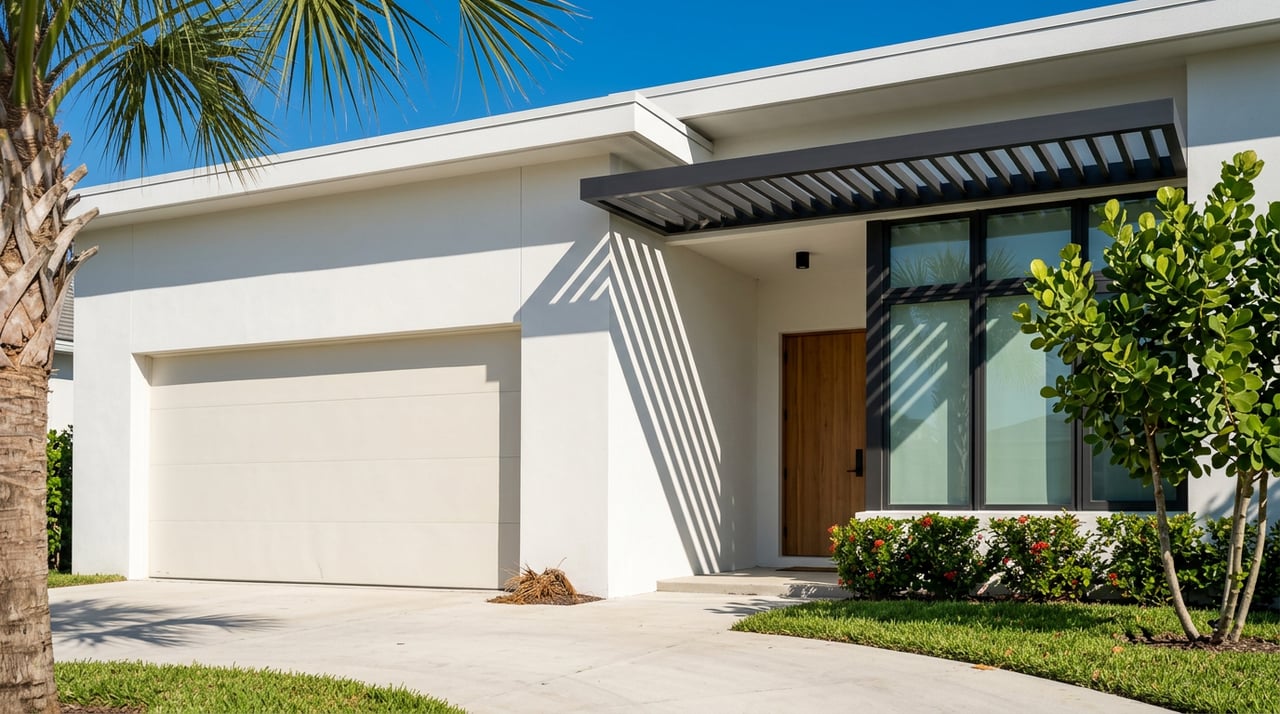
Siesta Isles Rental And HOA Rules Explained
March 5, 2026
March 5, 2026
Can you rent your Siesta Isles home by the week next season, or are you limited to monthly and seasonal stays? If you own or are shopping in this canal-front Siesta Key neighborhood, the rules can feel layered and confusing. You want a clear path that protects your investment and keeps you compliant. This guide breaks down city versus county rules, what the Siesta Isles HOA typically requires, and how short-term, seasonal, and annual strategies play out. Let’s dive in.
There are two Florida neighborhoods named Siesta Isles. One is on Siesta Key in Sarasota County. Another is in Fort Myers Beach in Lee County. This article explains rental and HOA norms for Siesta Isles on Siesta Key. If you are looking at the Lee County community, the rules and contacts are different.
On Siesta Key, rental rules depend on jurisdiction first. Some parcels fall inside the City of Sarasota. Others are in unincorporated Sarasota County. Your address determines which set of rules applies.
If your Siesta Isles property is inside city limits and qualifies as a vacation rental, you must register for a City Vacation Rental Certificate of Registration before operating. The City requires a minimum stay of 7 full days and 7 full nights, and you must include your City certificate number in all advertising. The City also requires a designated responsible party and an inspection prior to renting. You can review the application packet, standards, and contact details on the City’s vacation rental page at the City of Sarasota’s vacation rental program.
If your property is in unincorporated Sarasota County, most single-family parcels cannot be rented for fewer than 30 days. Shorter stays are generally limited to certain multi-family zones on the barrier islands. This is a key reason many single-family owners on Siesta Key favor monthly or seasonal leases rather than weekly listings. County leaders have focused enforcement on illegal short-term activity, so it pays to verify your zoning and follow the 30-day minimum where it applies. For context on the county approach and enforcement focus, see the Sarasota News Leader’s coverage of the short-term rental ordinance and complaints in unincorporated areas in this county update.
Tip: Jurisdiction and zoning are parcel-specific. Use official City and County planning tools to confirm where your address sits and what zoning code applies. The City provides guidance and contact information on its vacation rental page.
Public listing data for Siesta Isles homes on Siesta Key often shows “Minimum Lease: 1 Month.” For example, one active listing displays a 1-month minimum and notes an HOA fee. You can see how MLS remarks present this requirement in this example listing. Treat MLS notes as helpful but not definitive. The recorded Declaration, Bylaws, and Rules are the controlling documents.
When you review HOA documents, look for:
Ask the seller, title company, or HOA manager for the latest recorded covenants, any amendments, Rules and Regulations, and recent meeting minutes if rental policy discussions have come up.
Owners in Siesta Isles typically choose among three paths. The best fit depends on your parcel’s jurisdiction and zoning, plus your HOA’s lease minimum.
When it can be legal: You need to be inside the City of Sarasota and follow the City’s 7-day minimum and registration, or be in a county zoning district that allows short stays. If you rent the whole home more than three times per year for fewer than 30 days, Florida’s DBPR treats it as a regulated vacation rental and a license is required. Review the state thresholds in the DBPR vacation rental guide. City rules and contacts are on the City’s vacation rental page.
Pros:
Cons and requirements:
Fit with Siesta Isles: Seasonal leases of 30 to 90 days align well where the HOA minimum is one month and where county rules favor stays of at least 30 days in single-family zones.
Pros:
Considerations:
Compliance advantage: Leases of six months or longer avoid transient lodging status at the state level and are typically outside City vacation rental registration. Long-term occupancy also aligns with many HOA preferences.
Pros:
Considerations:
If you operate short stays, model taxes and licensing into your pro forma. Florida DBPR licensing can apply when you rent the whole unit more than three times per year for fewer than 30 days. The Sarasota County Tourist Development Tax on short-term stays has been reported at 6 percent of gross receipts, and state sales tax also applies. See local TDT context in this Sarasota News Leader report and the state licensing overview in the DBPR guide.
Use this step-by-step list before you advertise or take bookings.
Success in Siesta Isles starts with three checks. Confirm whether your address is in the City or the County. Pull and read the HOA’s recorded covenants to verify lease length and any approval steps. Then choose the rental strategy that fits your parcel and your goals, and set up licensing, taxes, and operations before you market.
If you want a local, second set of eyes, our boutique team is here to help you vet deals, understand neighborhood norms, and position your property for the right kind of income. Reach out to Michelle Shiver to schedule a private consultation.
Stay up to date on the latest real estate trends.
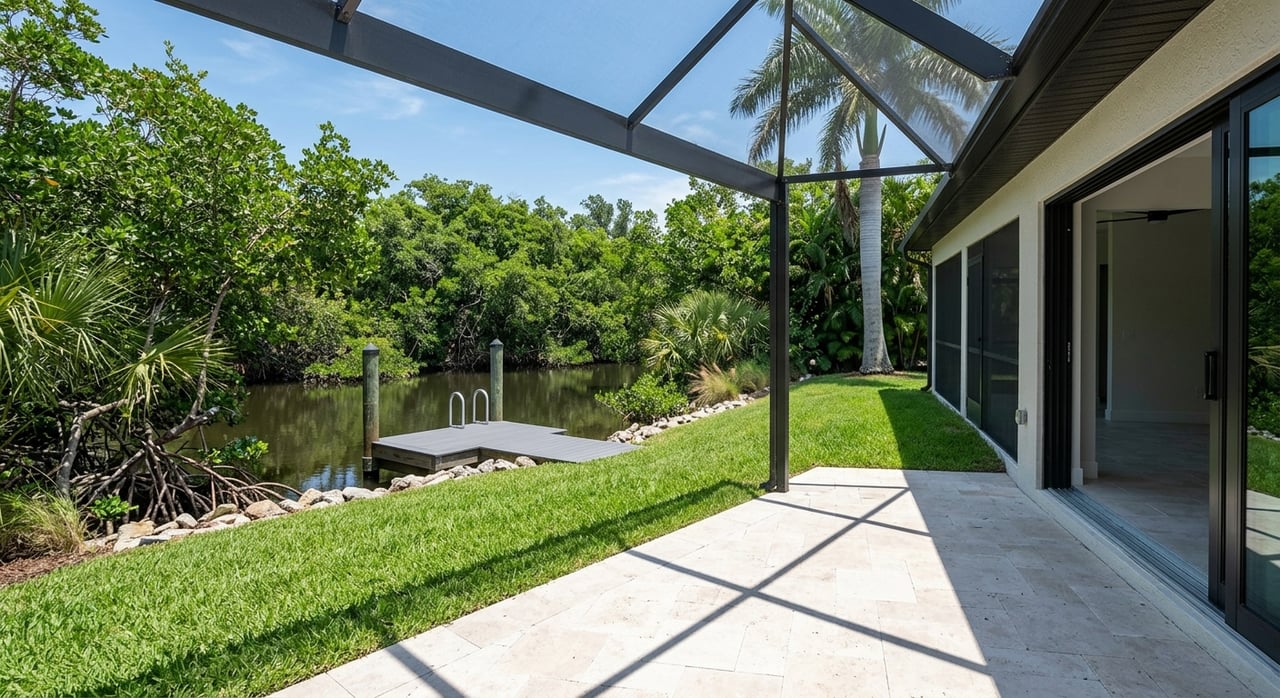

Easter in Sarasota
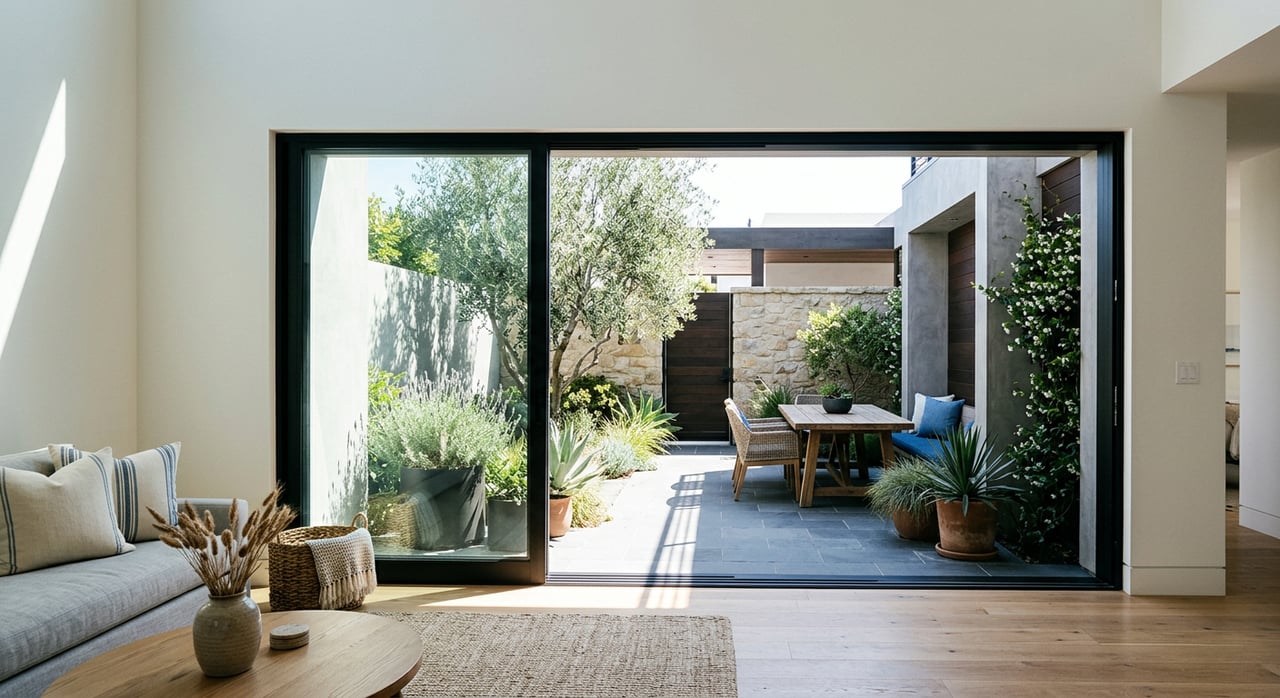

valentines
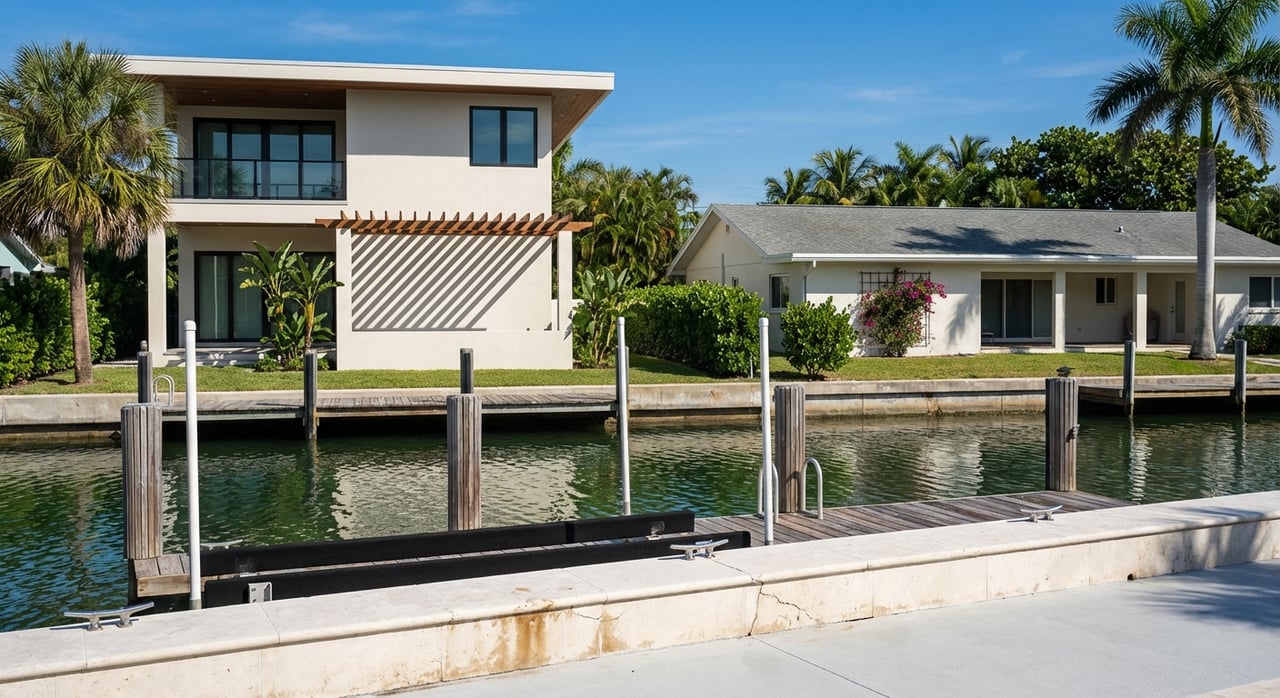
Sarasota at Valentines day


Real Estate, Gulf Coast of Florida
Sarasota Buyers Guide
We’d love to hear from you! Whether you’re buying, selling, or just exploring your options, we're here to provide answers, insights, and the support you need. Contact us and start planning your next move.

1549 Ringling Blvd Ste 600 Sarasota, FL 34236