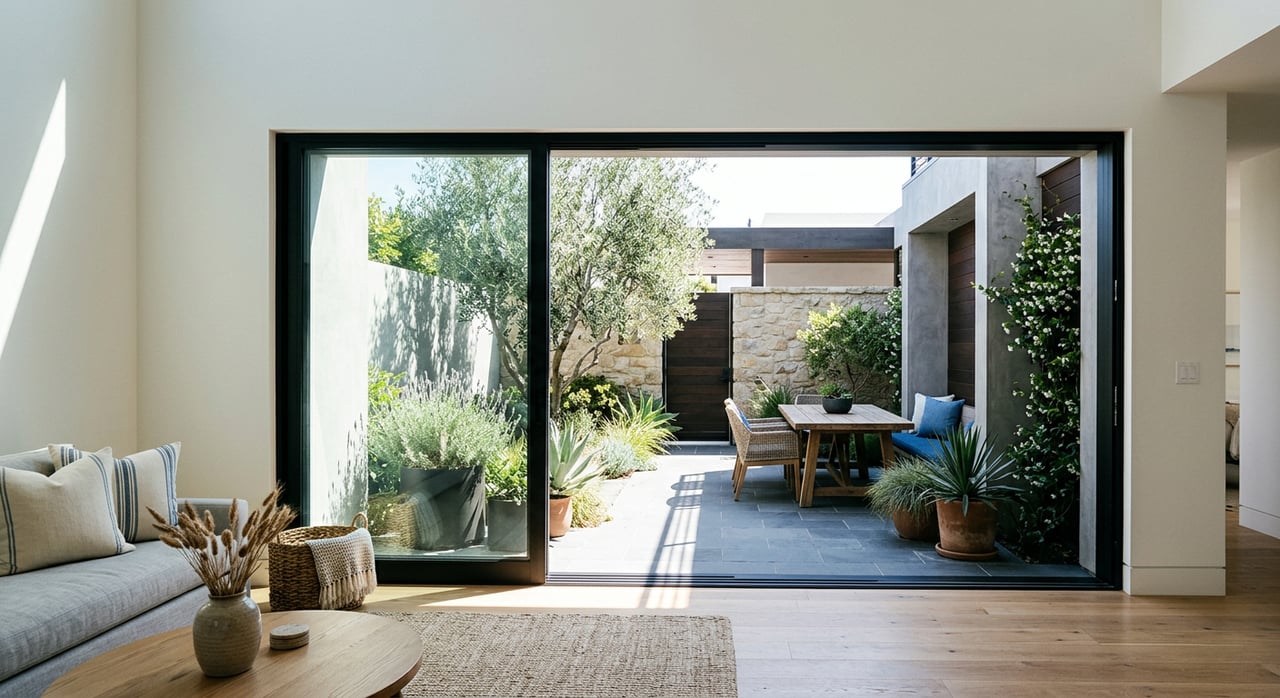
Preparing A Sarasota Beach Home For A Successful Sale
March 24, 2026
March 24, 2026
You only get one chance to make a first impression, and on Sarasota Beach that impression has to shine through sea air, insurance questions, and seasonal timing. If you want strong offers with minimal stress, the right prep plan matters as much as the right price. In this guide, you will learn when to list for peak visibility, which coastal-smart updates pay off, how to stage for the beach lifestyle, and what to disclose so buyers and lenders feel confident. Let’s dive in.
Season on Siesta Key typically runs from late fall through early spring, when visitor and buyer traffic peaks. If you want to capture that momentum, aim to complete prep work 8 to 12 weeks before your target list date.
The Sarasota–Manatee market has moved closer to balance compared to 2021–2022. Decision timelines and median times to sale are longer than the peak seller period, and barrier-island inventory can behave differently than inland areas. For the most current pricing and days-on-market trends, review the latest reports from the Realtor Association of Sarasota and Manatee and plan your strategy around the freshest data in the RASM monthly market update.
Start with items that lower buyer risk and smooth insurance and financing. These typically deliver the best return on a coastal property:
If you plan to harden the home, explore Florida’s My Safe Florida Home program. Qualifying owners may be eligible for free inspections and matching grants for hurricane mitigation. Do not start grant-eligible work before program approval. Review current details at My Safe Florida Home.
Once the big risks are addressed, small touches go a long way on Siesta Key:
Whole-house remodels or custom luxury finishes can overshoot neighborhood comps and may not pay back at sale. If you are considering major changes to push value, compare realistic after-repair comps and talk with your agent or an appraiser before you commit.
Keep your palette light and neutral with subtle coastal accents. Remove heavy, dated fixtures that suggest extra maintenance. Show an intuitive path from living spaces to outdoor areas and to storage for beach gear. Buyers love to see where wet towels, boards, and chairs land without creating clutter.
Control humidity. Coastal homes can trap moisture, so aim to keep relative humidity around 30 to 50 percent and below 60 percent to reduce mold growth, per the EPA’s mold and moisture guidance. Fix any visible water intrusion or HVAC drainage issues before you list. Unrepaired moisture problems are red flags that can cost you real money at inspection.
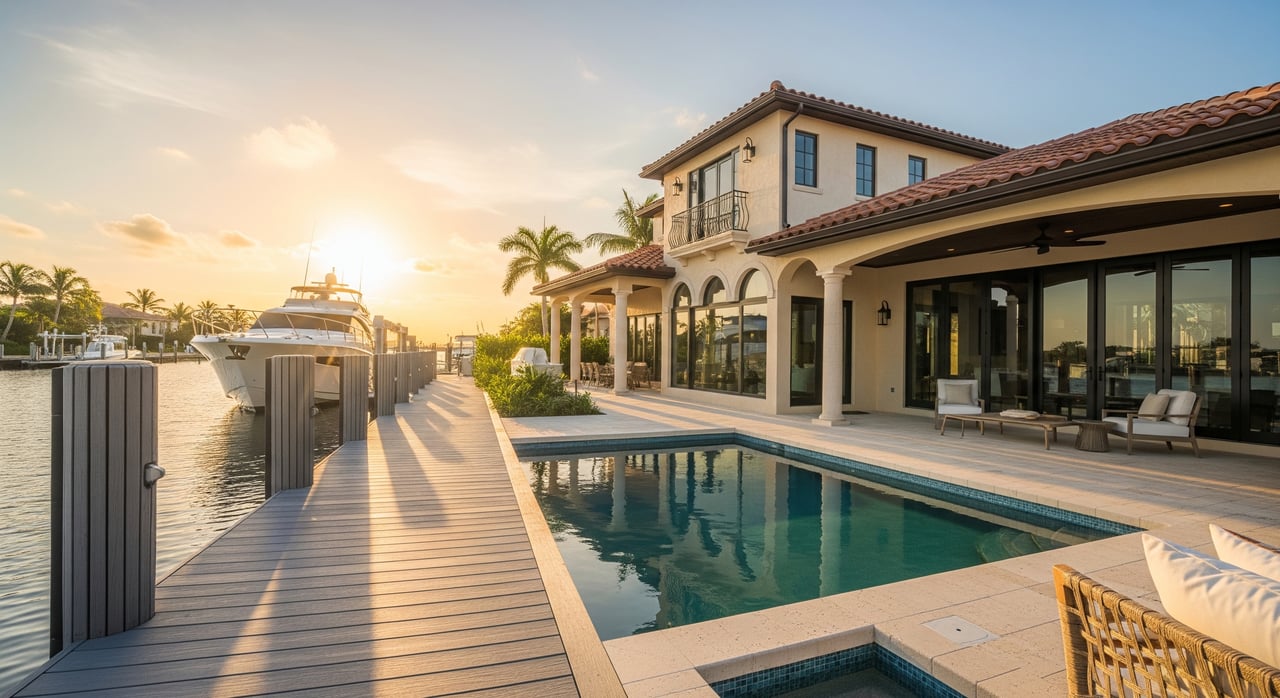
Professional photography should include daytime exteriors, inviting sunset shots, and aerial or drone images that show proximity to Siesta Beach and Siesta Key Village. Hire a drone operator experienced with real estate flights. Add a floorplan and a simple walking-time map so buyers can visualize access to the village and public beach entries.
Florida now requires sellers to deliver a Flood Disclosure form to buyers at or before contract. The law set new standards in 2024–2025 and is a non-negotiable item for coastal listings. Review the statutory form referenced in House Bill 1049 and gather your flood insurance history before listing.
Flood zones and insurance are central to buyer and lender decisions on Siesta Key. Include your flood declarations, any elevation certificates, and claim records in your documents packet. For context and mapping resources, see the Sarasota County flood and elevation FAQs.
Florida sellers must disclose known material facts that affect property value. Federal lead-based paint disclosures apply to homes built before 1978. Assemble repair invoices, past inspection reports, and permits so buyers feel informed and confident.
If your home operates as a vacation rental, buyers will expect proof of compliance. The City of Sarasota requires vacation rental registration with inspections and deadlines, outlined in the City of Sarasota Vacation Rental Certificate Guide. In unincorporated Sarasota County, short-term rental allowances vary by zoning, and enforcement discussions continue. Gather your registrations, tax receipts, and inspection records so there are no surprises in escrow.
Siesta Key properties are subject to the Siesta Key Overlay District rules, including unique parking ratios and allowances in certain areas. Confirm on-site parking counts, any recorded alternative parking plans, and deed restrictions. You can reference the Siesta Key Overlay District code section when compiling your property packet. Buyers frequently ask about guest parking and ease of island access.
Work seaward of Florida’s Coastal Construction Control Line requires special permits and reviews. For waterfront parcels, clarify who owns and maintains any seawall or dock, and pull the permit history. If your home is near the CCCL, keep any related certificates and permits handy, such as the Sarasota County CCCL certificate example.
On barrier islands, substantial improvement thresholds, often called FEMA’s 50 percent rule, can affect rebuild and retrofit requirements. Buyers will ask whether prior work was permitted and whether the property could trigger elevation or code upgrades. For background on how the county applies this, see this explainer on the 50 percent rule process, and verify details with county records.
Selling a coastal home is part market strategy and part project management. With the right timing, risk-reducing updates, and polished presentation, you can attract better-qualified buyers and stronger offers. If you want a white-glove plan from prep through closing, including staging, a curated vendor network, and seamless coordination, schedule a private consultation with Michelle Shiver.
Stay up to date on the latest real estate trends.
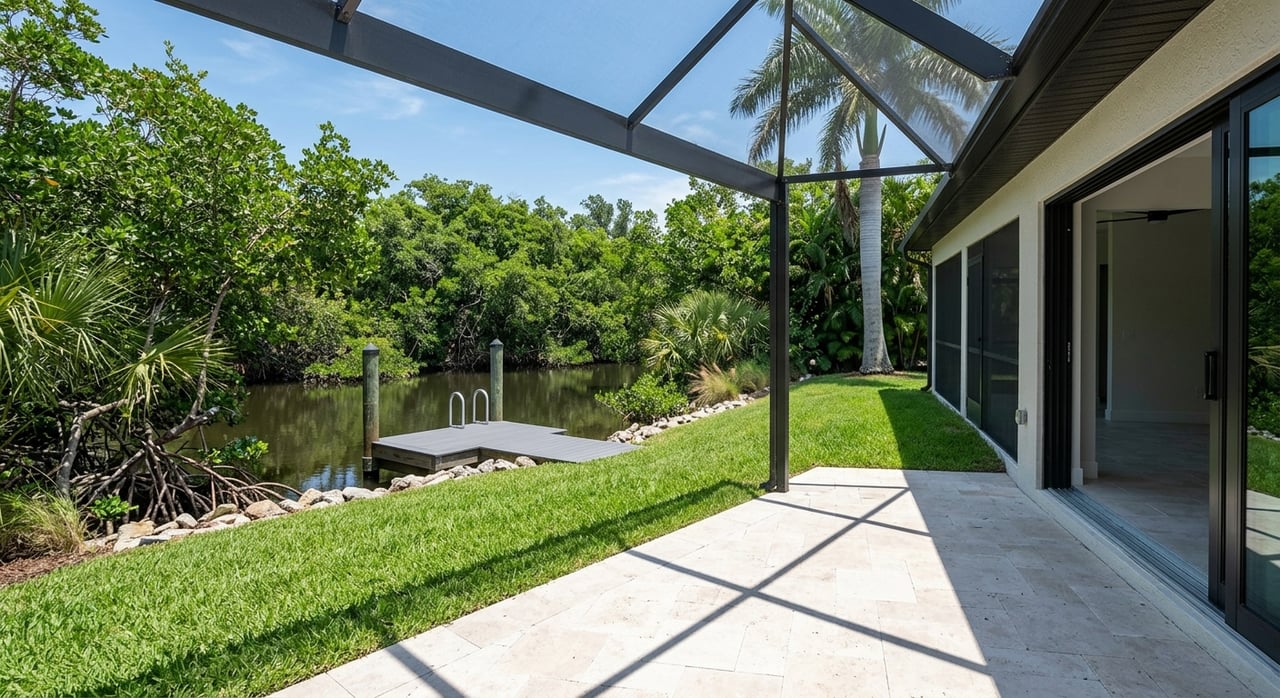

Easter in Sarasota
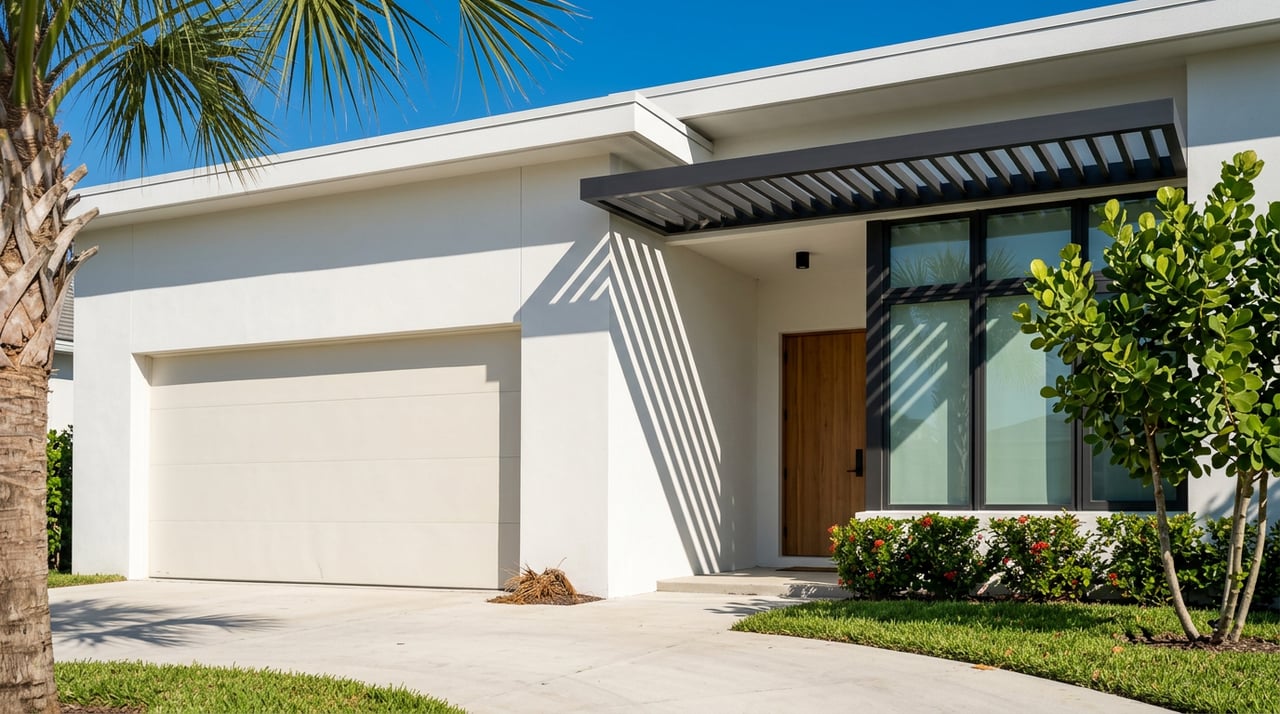

valentines
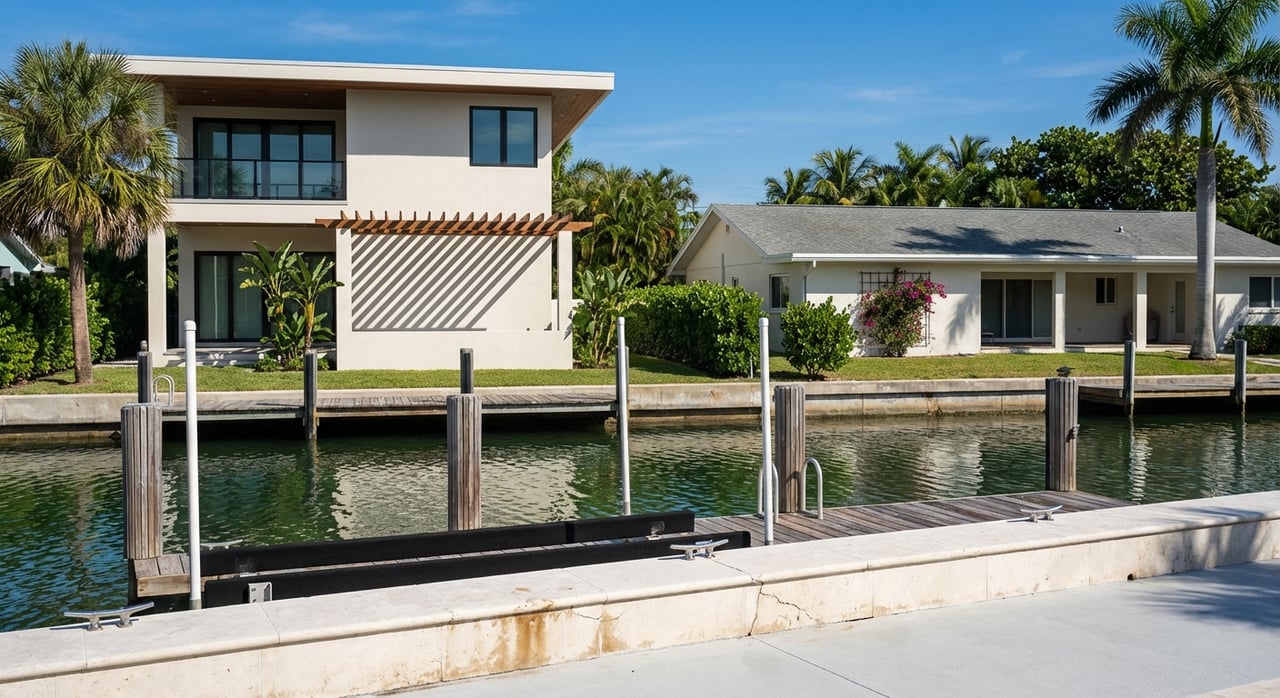
Sarasota at Valentines day

Real Estate, Gulf Coast of Florida
Sarasota Buyers Guide
We’d love to hear from you! Whether you’re buying, selling, or just exploring your options, we're here to provide answers, insights, and the support you need. Contact us and start planning your next move.

1549 Ringling Blvd Ste 600 Sarasota, FL 34236