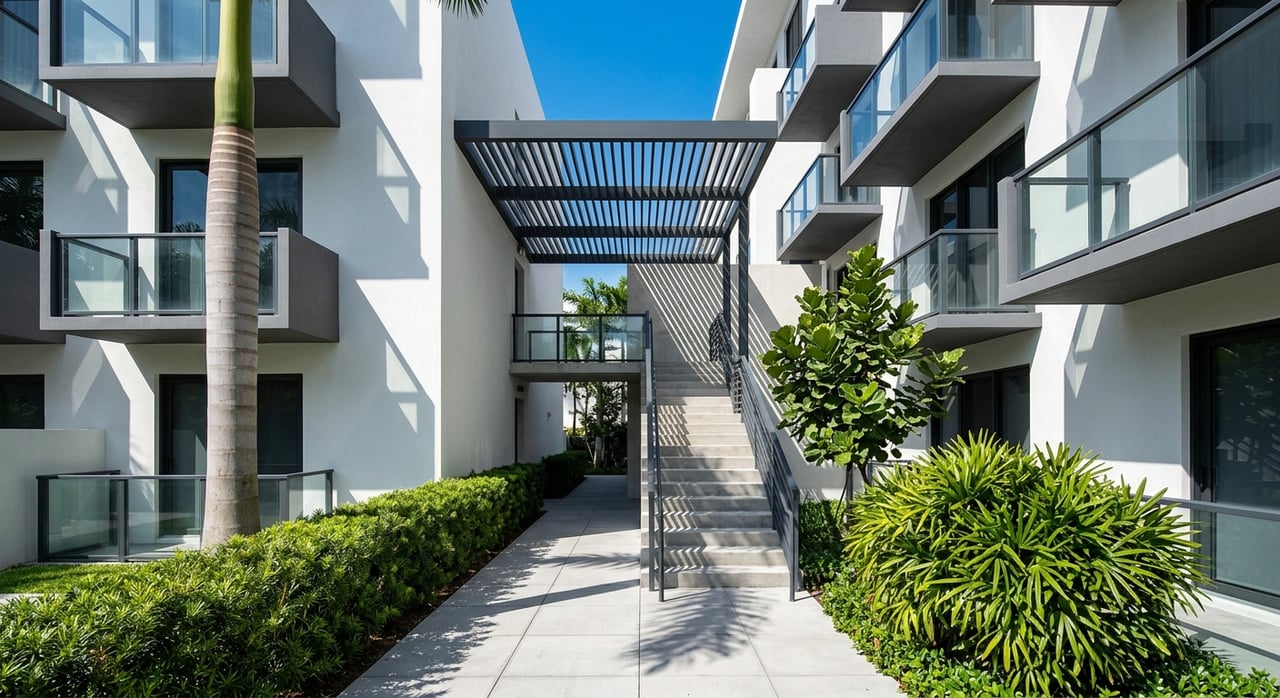
Siesta Key Condos Versus Homes For Second-Home Buyers
May 21, 2026
May 21, 2026
Dreaming about a place on Siesta Key sounds simple until you hit the big question: should your second home be a condo or a house? If you want beach time, flexibility, and a smart long-term fit, the answer depends on more than price or square footage. On Siesta Key, your exact address, monthly cost structure, and rental rules can shape how well a property works for you. Let’s dive in.
Siesta Key is not governed by just one set of local rules. Part of the island is within the City of Sarasota, while other areas are in unincorporated Sarasota County. That matters because the rules that affect use, including vacation rental standards, can vary by address.
For second-home buyers, this means you are not only comparing a condo to a house. You are also comparing jurisdiction, zoning, and any recorded community or association documents that may limit how you use the property. On Siesta Key, the details behind the address are often just as important as the property itself.
Many second-home buyers start with condos because they offer a simpler ownership experience. Florida condominium law places responsibility for common-element maintenance, repair, and replacement on the association. Common expenses can also include items like road maintenance, security, in-house communications, and insurance for directors and officers.
That setup can be appealing if you want a lock-and-leave property. You may spend less time coordinating exterior upkeep and more time enjoying the beach, dining, boating, or quick weekend stays. For many buyers, that convenience is a major reason to choose a condo on Siesta Key.
The tradeoff is the monthly fee structure. Condo ownership usually replaces some day-to-day maintenance with recurring association assessments and exposure to the association’s budget decisions. Florida disclosure rules also require buyers to be told about fees, assessments, and leasing restrictions, so these costs are a core part of the buying decision.
Another key point is due diligence. Under Florida law, a condo owner is responsible for assessments while owning the unit and may also be jointly liable with the prior owner for some unpaid assessments that came due before closing. If you are thinking ahead to resale, those financial details matter on the way in and on the way out.
A Siesta Key condo may be the better fit if you want:
A single-family home often appeals to buyers who want more independence. You may have more private outdoor space, more room for guests, and more flexibility in how you use your property day to day. If your vision includes a quieter retreat, storage for beach and boating gear, or room to spread out, a home can be a strong match.
That said, more control usually comes with more responsibility. Unlike a condo, a single-family home does not fall under the condominium common-element structure. In practical terms, that means more of the maintenance burden often stays with you, although some homes may still have HOA dues depending on the community.
On Siesta Key, homes can feel like the more flexible option, but that flexibility is not automatic. Local zoning and the city-county split still matter, especially if you want to rent the property part time when you are away. A house may offer more autonomy, but only if the address supports your intended use.
A Siesta Key home may be the better fit if you want:
If you hope to offset costs with rental income, this is where the condo-versus-home comparison gets more complex. On Siesta Key, rental rules can depend on both local jurisdiction and the specific property documents. That means broad assumptions can lead buyers in the wrong direction.
In the City of Sarasota, qualifying vacation rentals in residential zoning districts must register, renew annually, and follow a seven-day, seven-night minimum stay. The city also states that these vacation rental registration rules do not apply to owner-occupied rentals, condominiums, cooperatives, or properties rented for 30 consecutive days or more.
In unincorporated Sarasota County, the county guide says most dwelling-unit rentals must be at least 30 days. Short-term rental use is allowed only for RMF-zoned properties on the barrier islands, and the county defines short-term rental use as less than 30 days.
For condo buyers, there is another layer. Even if zoning allows a rental use, the association’s governing documents may be more restrictive. Florida condo disclosure rules require leasing restrictions to be disclosed to buyers, which is why building-specific review is so important before you commit.
For second-home buyers on Siesta Key:
Second-home decisions are not only about rules and costs. They are also about how you want to spend your time once you are here. Siesta Key offers excellent beach and water access, but convenience can vary a lot by location.
Sarasota County says its beaches attract more than 6.5 million tourists each year. Siesta Beach includes 950 free parking spaces, an access mat stretching 454 feet toward the Gulf, free beach wheelchairs, and the free Siesta Key Breeze trolley that runs from Siesta Village to the southern end of the island. That local infrastructure is a big reason proximity and parking matter so much when choosing a second home.
The county also lists multiple Siesta Key beach access points, including several pedestrian-only access sites and Access 2 with ADA-only parking. In other words, not every property offers the same level of convenience for getting your feet in the sand. A condo near key access points may feel very different from a house farther away, even if both are on the island.
For buyers who love boating or paddling, Turtle Beach Park adds another layer of appeal. It offers a boat ramp, motorized and non-motorized ramps, an accessible canoe and kayak launch, a kayak wash station, and a fishing pier. Palmer Point Beach Park also includes a canoe and kayak launch, though it is a watercraft-access-only site with no parking.
In many cases, condos appeal to buyers who want easy beach access and a low-friction ownership experience. Homes often appeal to buyers who prioritize privacy, outdoor space, or easier storage for lifestyle gear. Neither is better across the board. The better choice is the one that fits how you actually plan to live when you are on Siesta Key.
When you compare condos and homes, it helps to look past the listing photos and ask a few practical questions. Your second home should support your travel habits, carrying-cost comfort, and long-term plans. That is where the best decision usually becomes clearer.
The best second-home purchase is not only about today’s lifestyle. It should also make sense when your needs shift in a few years. Whether you buy a condo or a home, resale on Siesta Key is closely tied to how usable and understandable the property is to the next buyer.
For condos, ongoing assessments and leasing restrictions are especially important because they must be disclosed to future buyers. For homes, the appeal may center more on privacy and flexibility, but zoning and local use rules still shape what a future buyer can do with the property. In either case, the strongest long-term fit usually comes from buying with clear expectations instead of assumptions.
If you want streamlined ownership, easy beach days, and a property that is simple to leave and return to, a condo may be your best fit. If you want more privacy, more space, and more control over your setting, a home may serve you better. On Siesta Key, the right answer usually comes down to intended use, address-specific rental rules, association documents, and your comfort with the monthly cost structure.
Working through those details early can save you time, stress, and expensive surprises. If you want expert guidance on how a specific Siesta Key condo or home fits your second-home goals, schedule a private consultation with Michelle Shiver.
Stay up to date on the latest real estate trends.

Real Estate, Gulf Coast of Florida
How discreet buyer representation, nondisclosure agreements and early legal planning can help protect your privacy.

Real Estate, Gulf Coast of Florida
Three Sarasota barrier islands. Three distinctly different lifestyles.

Real Estate, Gulf Coast of Florida
Before you fall in love with the view, take a good look at the association.
We’d love to hear from you! Whether you’re buying, selling, or just exploring your options, we're here to provide answers, insights, and the support you need. Contact us and start planning your next move.

1549 Ringling Blvd Ste 600 Sarasota, FL 34236